
You’ve bought some SHIB. Now what? A lot of first-time Shiba Inu holders make the same mistake. They leave their tokens sitting on an exchange and think that counts as “storing” them. It doesn’t. If the exchange goes down, gets hacked, or freezes withdrawals, your coins could vanish overnight. That’s not a scare tactic. It’s happened before, and it’ll happen again.
So the real question isn’t whether you should move your SHIB to a wallet. It’s which wallet is actually worth trusting. This guide walks you through everything you need to know, from understanding what SHIB actually is, to comparing the best wallet options available right now. Whether you’re a casual holder or a dedicated member of the ShibArmy, this breakdown will help you make a smarter, safer choice.
What Is the Shiba Inu (SHIB) Cryptocurrency?
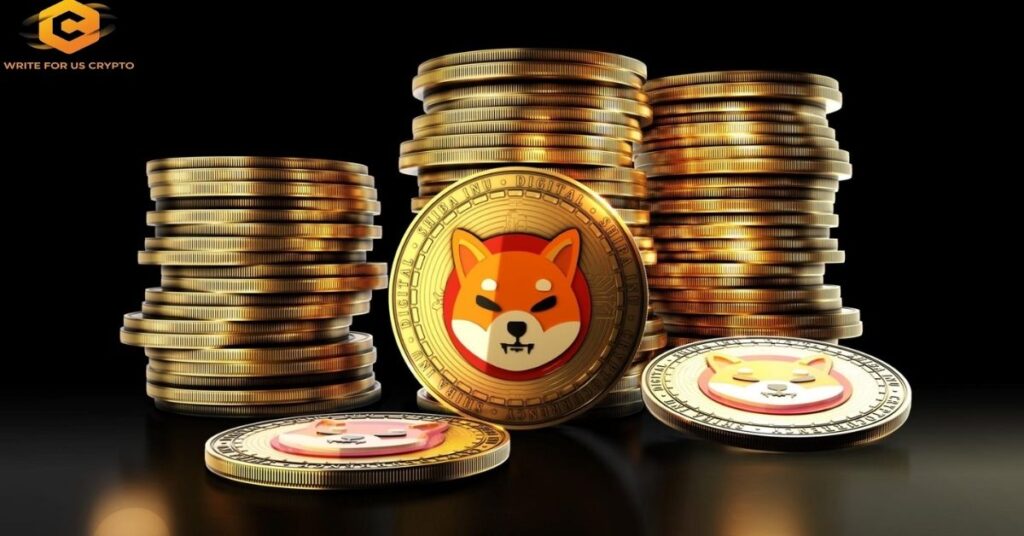
Shiba Inu started as a joke. No sugarcoating it. Launched anonymously in August 2020, it rode the coattails of Dogecoin’s meme-driven popularity and quickly earned the nickname “Dogecoin killer.” But somewhere between the memes and the madness, something unexpected happened. The community took it seriously.
SHIB is an ERC-20 token on the Ethereum blockchain. That means it doesn’t run on its own chain. It relies on Ethereum’s infrastructure for transactions, smart contracts, and security. This is actually good news for holders, because Ethereum’s network is battle-tested and widely supported.
The total supply of SHIB was originally set at one quadrillion tokens. That number sounds absurd, but roughly half were burned by sending them to Vitalik Buterin’s wallet. He then donated a large chunk to charity and burned the rest. It was a chaotic move that somehow worked to build trust.
Today, SHIB has evolved into a full ecosystem. There’s ShibaSwap, a decentralized crypto exchange where you can stake and swap tokens. There’s also LEASH and BONE, companion tokens in the Shib ecosystem. And the team continues to push toward Shibarium, their own Layer 2 solution on Ethereum.
Is it still a meme coin? Yes. But it’s a meme coin with a surprisingly active development team, a massive community, and real utility being built around it. Calling it worthless at this point is as outdated as calling Bitcoin a fad.
Read More: How To Sell Pi Coin in Nigeria High Rates & Avoid Scams
What Is a Shiba Inu Wallet and How Does It Work?
Think of a Shiba Inu wallet the same way you’d think of a physical wallet. It holds something valuable. But instead of cash, it holds access to your SHIB tokens on the blockchain.
Here’s the thing though. Your tokens don’t actually sit inside the wallet. They live on the Ethereum blockchain at all times. What your wallet stores are your private and public keys. Your public key is like your home address. Anyone can send SHIB to it. Your private key is like your front door key. Only you should ever have it.
When you want to send SHIB, your wallet uses your private key to sign the transaction. That signature proves to the network that you authorized the transfer. No private key, no transaction. Lose your private key, and you lose access to everything in that address permanently.
This is why cryptocurrency private key protection isn’t optional. It’s the single most important thing you can do as a holder. A wallet that handles this securely is worth every penny, or in some cases, every fraction of a SHIB.
Most Shiba Inu wallets also support the full range of ERC-20 tokens. Since SHIB lives on Ethereum, any wallet built for Ethereum token storage can technically hold your SHIB. The difference is in how each wallet handles security, usability, backup options, and transaction management.
Key Factors to Consider When Choosing a SHIB Wallet
Not all wallets are created equal. Some are fast and convenient. Others prioritize maximum security. And some try to do both, with varying degrees of success. Before picking one, here are the things that actually matter.
Security should be your first filter. Look for wallets that give you full control of your private keys. Avoid any platform that holds your keys on your behalf, since that means they technically control your funds. Two-factor authentication crypto security is a solid baseline, but hardware-level protection is stronger for long-term holders.
Ease of use matters more than most people admit. If a wallet is so complicated that you hesitate to use it, you’ll make mistakes. A clean interface, clear transaction flow, and good mobile support go a long way, especially when you’re transferring SHIB tokens to your wallet for the first time.
Compatibility with ERC-20 tokens is non-negotiable. SHIB is an ERC-20 token, so confirm that any wallet you’re considering actually supports storing ERC-20 tokens securely before committing.
Backup and recovery options are critical. What happens if you lose your phone or your hardware device gets damaged? Any trustworthy wallet will give you a seed phrase during setup. This is usually a 12 or 24-word recovery phrase. Write it down. Keep it offline. Never share it.
Finally, consider whether the wallet supports ShibaSwap or connects with decentralized crypto wallet apps. If you plan to stake, swap, or engage with the broader SHIB ecosystem, you’ll want a wallet that plays nicely with DeFi protocols.
Types of Wallets for Storing Shiba Inu Tokens
There isn’t one universal answer here. Different storage methods suit different needs. Here’s a quick breakdown.
Hot wallets are connected to the internet. They include mobile cryptocurrency wallet apps and desktop wallet for SHIB tokens. They’re convenient, fast, and easy to access. But being online makes them vulnerable to phishing attacks, malware, and unauthorized access. Good for frequent trading. Not ideal for long-term holding.
Cold wallets are offline. A cold storage crypto wallet, whether hardware or paper-based, keeps your private keys completely disconnected from the internet. Cold wallet vs hot wallet debates come down to one thing: convenience versus security. Cold wallets win on security every time. They’re harder to use on the fly, but they’re the gold standard for protecting large holdings.
Hardware wallets are physical devices, usually USB-shaped, that store your keys in a secure chip. They sign transactions internally, meaning your private key never touches your computer. Hardware crypto wallet security is the closest thing to a vault in the crypto world. Brands like Ledger and KeepKey dominate this space.
Mobile wallets run as apps on your smartphone. They’re easy to use, often free, and great for everyday transactions. The tradeoff is that your phone is a connected device. If your phone is compromised, so is your wallet.
Paper wallets are exactly what they sound like. You print your public and private keys on a piece of paper and store it physically. It’s a completely offline solution. The risk? Paper burns, tears, and fades. It’s also easy to lose. A paper wallet for cryptocurrency storage can work, but it requires careful handling and ideally a fireproof, waterproof storage solution.
Best SHIB Wallets: Top 5 Recommendations
Now for the part you’ve been waiting for. Here are the top picks based on security, usability, and compatibility with Shiba Inu cryptocurrency storage.
MyEtherWallet Review: Best Wallet for ERC-20 Tokens
MyEtherWallet, often abbreviated as MEW, has been around since 2015. It’s one of the oldest and most trusted names in Ethereum-based storage. If you hold any ERC-20 tokens, MEW is a name you’ll encounter repeatedly, and for good reason.
It’s a non-custodial wallet. That means you control your private keys entirely. MEW never stores them on its servers. When you create a wallet, you get full ownership from the start. That’s the kind of crypto asset protection strategy that serious holders appreciate.
MEW works as both a browser-based interface and a mobile app. The mobile version, called MEW wallet, is clean and straightforward. You can manage your SHIB, send transactions, and even connect to DeFi platforms directly from your phone.
One feature that sets MEW apart is its hardware wallet integration. You can pair it with a Ledger or Trezor device and use MEW’s interface while keeping your keys in cold storage. It’s the best of both worlds.
The interface does have a slight learning curve for complete beginners. But once you’re past the setup phase, it’s genuinely one of the most reliable Ethereum ERC-20 wallet options available. For SHIB holders who want flexibility without sacrificing control, MEW deserves the top spot on this list.
Ledger Nano X Review: Most Secure Hardware Wallet
If security is your top priority, the Ledger Nano X is the answer. Full stop.
Ledger is the global leader in hardware wallet for Shiba Inu and every other major cryptocurrency. The Nano X is their flagship device, and it’s built to withstand almost any threat short of physical theft. Your private keys live in a certified secure element chip. That chip has never been compromised in the field.
What makes the Nano X stand out from older Ledger models is Bluetooth connectivity. You can manage your portfolio from your phone without plugging anything in. The companion app, Ledger Live, supports over 5,500 tokens and coins, including SHIB. It’s clean, well-maintained, and regularly updated.
Setting up SHIB on your Nano X is straightforward. You install the Ethereum app through Ledger Live, then import your Ethereum address into a compatible interface like MEW or MetaMask. Your SHIB balance shows up, and all transactions require physical confirmation on the device itself.
That last point matters. Even if malware hijacks your computer and tries to alter a transaction, the Nano X won’t sign it without your manual confirmation. That layer of protection is what justifies the price tag.
The Nano X retails around $149. It’s not cheap. But when you’re talking about protecting a meaningful amount of crypto, it’s a worthwhile investment. Think of it as insurance.
KeepKey Review: Affordable Hardware Wallet Option
Not everyone wants to spend $150 on a wallet. KeepKey gets that.
KeepKey is a hardware wallet that offers solid cold storage crypto wallet functionality at a significantly lower price point than Ledger. It supports Ethereum and all ERC-20 tokens, making it fully compatible with SHIB. The device is larger than the Nano X, with a bigger display that makes it easier to verify transaction details before confirming.
The setup process is smooth. KeepKey integrates with its own software platform, formerly known as ShapeShift, which allows you to swap tokens directly within the wallet interface. That’s a convenient feature if you want to exchange SHIB without moving funds to a separate exchange.
Security-wise, KeepKey generates your private key on the device itself, never exposing it to your computer during setup. It also supports a PIN and a recovery seed phrase, both standard features for any serious hardware wallet.
Where KeepKey falls slightly short is in firmware update frequency and broader app ecosystem support. Ledger and Trezor tend to receive updates and new feature integrations faster. But for a holder who wants reliable cold storage without the premium price, KeepKey is a solid and often overlooked choice.
If you’re newer to hardware wallets and want something that feels approachable, KeepKey’s larger interface and simpler workflow make it a genuinely good starting point.
ZenGo Wallet and Freewallet: Best Mobile Wallets for SHIB
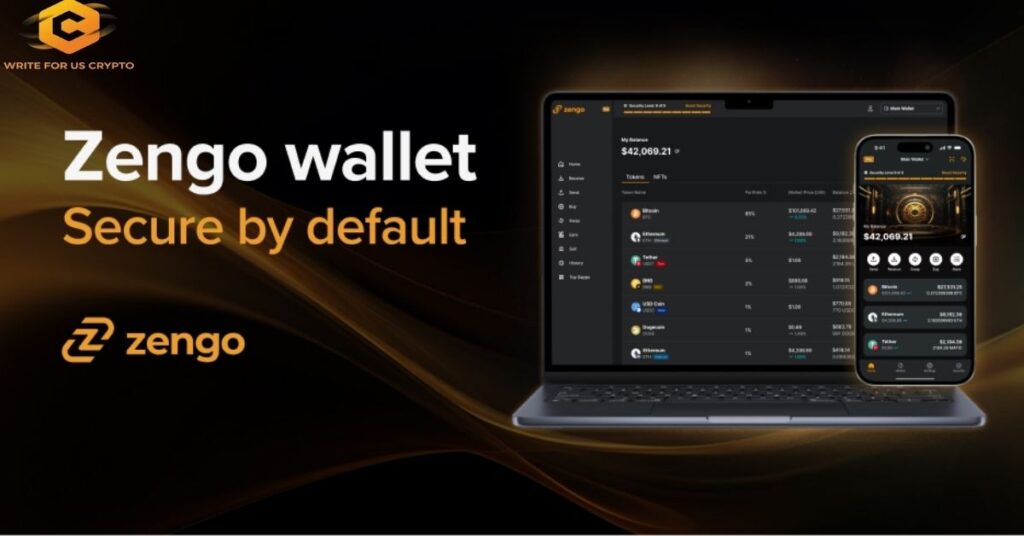
For holders who prefer managing their crypto on the go, mobile wallets are the practical answer. ZenGo and Freewallet both make a compelling case, though they cater to slightly different types of users.
ZenGo is one of the most innovative mobile cryptocurrency wallet apps on the market right now. It ditches the traditional private key model entirely. Instead, it uses multi-party computation (MPC) technology to split your key into two mathematical parts. One part is stored on ZenGo’s servers, and the other is tied to your device and biometric data. Neither piece alone can authorize a transaction.
This approach solves one of the oldest problems in crypto: what happens if you lose your seed phrase? With ZenGo, recovery is tied to your biometrics and a backup email, making it far more user-friendly than most alternatives. It supports SHIB, thousands of other tokens, and integrates with Web3 apps natively.
Freewallet takes a more traditional approach. It’s a custodial wallet, meaning the platform manages your private keys. That’s a tradeoff. You gain simplicity and easy recovery options, but you give up full control. For smaller SHIB holdings or casual crypto investment storage, Freewallet works fine. For serious amounts, it’s not where you want to park your tokens long-term.
Both wallets are free to download and use. ZenGo edges ahead on security innovation. Freewallet wins on pure simplicity. If you’re just starting out with mobile wallet for SHIB crypto, either one gets the job done. But if you’re growing your portfolio and want peace of mind, ZenGo is the smarter pick between the two.
Why You Should Never Store SHIB on an Exchange Long-Term
This point deserves its own section because it gets overlooked constantly. Buying SHIB on Binance or Coinbase is perfectly fine. Leaving it there indefinitely is not.
When your tokens sit on an exchange, you don’t actually own them in a meaningful sense. The exchange holds the private keys. You have an account balance, not a wallet balance. If the exchange is hacked, freezes withdrawals, goes bankrupt, or gets entangled in regulatory action, you may have very little recourse.
The phrase “not your keys, not your coins” isn’t just a cliché in the crypto community. It’s a hard lesson that thousands of people have learned the expensive way. Moving your SHIB to a personal wallet, whether hot or cold, is the one step that actually puts you in control.
If you’re buying small amounts for short-term trading, leaving tokens on an exchange is acceptable. But for any position you intend to hold for months or years, a personal wallet is not optional. It’s responsible ownership.
How to Transfer SHIB to Your Wallet Safely
Getting your SHIB off an exchange and into your own wallet doesn’t need to be intimidating. The process follows the same basic steps regardless of which wallet you choose.
First, set up your wallet and locate your public Ethereum address. Every Ethereum-compatible wallet will display this as a string beginning with “0x”. Copy it carefully.
Next, log into your exchange account. Navigate to your SHIB balance and select the withdrawal option. Paste your wallet address into the recipient field. Before confirming, always send a small test transaction first. A few dollars’ worth of SHIB is worth sacrificing to confirm everything works correctly.
Once the test transaction arrives in your wallet, you’re good to proceed with the full transfer. Ethereum transactions require a small gas fee, so make sure your exchange balance accounts for that. Transaction speeds vary, but most SHIB transfers complete within a few minutes under normal network conditions.
After the transfer confirms, you’ll see your SHIB balance reflected in your wallet. That balance belongs to you now. Not to an exchange, not to a platform. You.
Final Verdict: Which SHIB Wallet Should You Choose?
Choosing the right Shiba Inu wallet depends entirely on what you’re trying to accomplish and how much risk you’re comfortable with.
If maximum security is your priority and you’re holding a significant amount of SHIB, go with the Ledger Nano X. It’s the most battle-hardened option on the market and the one most trusted by serious holders within the ShibArmy and the broader crypto community.
If you want hardware-level security at a more accessible price point, KeepKey is worth a serious look. It’s not as feature-rich as Ledger, but it does the fundamentals well.
If you want the best of flexibility and control without committing to hardware, MyEtherWallet is the go-to. It’s especially powerful when paired with a hardware device for transaction signing.
For mobile-first users who need something they can use every day, ZenGo stands out for its security innovation and smooth user experience. Freewallet works for casual use but shouldn’t be your primary home for large holdings.
The bottom line is this. There’s no perfect wallet for everyone. But every serious SHIB holder needs at least one personal wallet where they control the keys. The longer you leave your tokens on an exchange, the longer you’re gambling with something you worked to acquire.
Pick a wallet. Set it up properly. Write down your seed phrase and store it somewhere safe. These aren’t complicated steps. They’re just the ones most people skip until it’s too late.
FAQ’s
What is the safest wallet for storing Shiba Inu tokens?
Hardware wallets like the Ledger Nano X offer the highest level of security by keeping your private keys offline and away from internet-based threats.
Can I store SHIB on MetaMask?
Yes, MetaMask supports ERC-20 tokens including SHIB. It’s a popular hot wallet option for Ethereum-based assets and integrates with most DeFi platforms.
Is it safe to keep SHIB on Coinbase or Binance?
It’s convenient for short-term trading, but not recommended for long-term storage since you don’t control the private keys on exchange-held accounts.
Do I need ETH to send SHIB?
Yes. Since SHIB is an ERC-20 token, every transaction requires a small amount of Ethereum to cover the network gas fee regardless of how much SHIB you’re sending.
What happens if I lose my wallet’s seed phrase?
If you lose your seed phrase and your device fails, access to your funds is permanently lost. There is no recovery option without the seed phrase, which is why storing it securely offline is so important.

Cole Maddox is a digital strategist and crypto content expert with over 7 years of experience in blockchain marketing and SEO. He specializes in creating data-driven content that builds trust and authority in the crypto space. Cole’s insights have helped startups grow organic reach through premium backlinks and high-quality guest posting strategies aligned with Google’s EEAT standards.