
So you’ve been mining Pi on your phone for months, maybe even years. Now you’re wondering, can I actually sell this? Is it worth anything? And more importantly, how do you do it without getting scammed?
You’re not alone. Thousands of Nigerians are asking the exact same questions right now. Pi coin is one of the most talked-about digital currencies in the country, yet so many people are still confused about how it all works. This guide breaks everything down in plain, simple English so you can sell Pi coin in Nigeria safely and at the best possible rate.
What Is Pi Network and How Does Pi Coin Work?
Pi Network is a mobile-first cryptocurrency project founded by Nicolas Kokkalis and Chengdiao Fan, both Stanford University graduates. The idea behind it was refreshingly simple: let ordinary people mine cryptocurrency using just their smartphones, without draining battery or data.
Unlike Bitcoin, which requires expensive hardware and massive electricity, Pi network digital currency mining happens with a single daily tap on your phone. The app runs a lightweight consensus algorithm in the background. You don’t need a powerful device. You just need to show up every day.
Now here’s where it gets interesting. Pi coin is not just another meme token. It has a growing community of over 50 million users globally, and Nigeria happens to be one of the most active Pi markets in Africa. The team behind it has been building the Pi network blockchain mining infrastructure for years, and the mainnet migration is well underway.
For you as a Nigerian user, this means the Pi you’ve been accumulating could now have real monetary value, provided you’ve completed your KYC verification and migrated your balance to the mainnet wallet. Without those two steps, your Pi stays locked and unsellable.
Requirements to Sell Pi Coin in Nigeria
Before you can sell Pi coin in Nigeria, a few things need to be in place. Skipping any of these is where most people run into trouble.
First, you need to complete your KYC verification inside the Pi Network app. This is the identity check that confirms you’re a real person and not a bot. Without it, your Pi balance stays stuck and cannot be transferred or sold.
Second, you must have migrated your Pi to the mainnet. The Pi network moved from its testnet phase to the open mainnet, and only verified users with migrated balances can transact with real Pi. If you’re still on the enclosed mainnet, your coins aren’t yet ready for trading.
Third, you need a secure Pi wallet. This ties directly to your Pi wallet passphrase security. Your passphrase is a set of 24 words generated when you set up your wallet. Lose it, and you lose access to your funds forever. Write it down somewhere safe, offline.
Fourth, you need a verified Nigerian bank account. This is where your Naira payment lands after a successful sale. Some platforms also accept OPay, Palmpay, or Kuda, so having any active mobile money account helps.
Finally, you need access to a reliable Pi coin trading platform or peer-to-peer marketplace where buyers and sellers connect. More on those platforms shortly.
Current Pi Coin Price in Naira and Global Value
This is the question everyone types into Google first. What is Pi coin worth today?
Pi coin value in Naira fluctuates depending on the platform and the type of Pi being traded. As of recent market data, Pi coin price in USD has been hovering in a range that many traders watch closely, since it affects how much Naira you walk away with after a sale.
On peer-to-peer platforms, Pi to USDT conversion rates tend to vary slightly from exchange to exchange. A common approach Nigerian sellers use is checking the going rate on Bitget, OKX, or Huobi, then comparing it with local P2P listings to ensure they’re getting a fair deal.
One thing worth knowing: Pi cryptocurrency price in Nigeria on local P2P platforms sometimes differs from global exchange prices. Local demand and supply, Naira devaluation, and buyer competition all play a role. So the rate you see on a global chart might not be exactly what a buyer in Lagos offers you.
Always check multiple sources before agreeing to any trade. A difference of even a few thousand Naira per Pi can add up quickly if you’re selling in bulk.
Read More: Convert Pi Coin to Nigerian Naira | Real Pi Worth in Naira
IOU Pi vs Real Pi: Understanding the Actual Market Rate
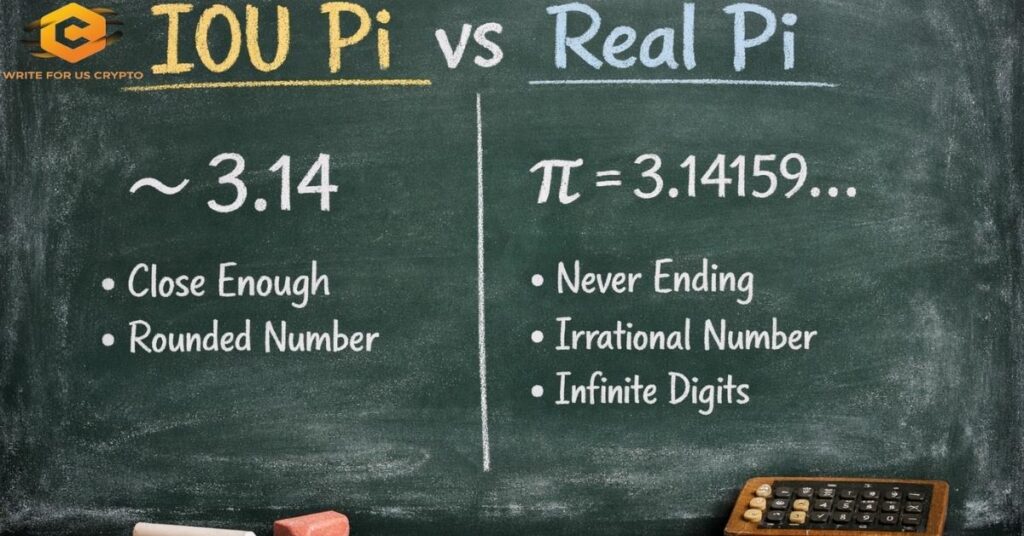
This part confuses a lot of people, so pay attention here.
IOU Pi refers to a speculative, placeholder version of Pi that was traded on some exchanges before the actual mainnet launched. These IOU tokens were not backed by real Pi coins. They were essentially IOUs, promises to deliver real Pi at a later date, traded by people betting on the future price.
Pi IOU price vs real price is a significant distinction. IOU Pi was often traded at wildly inflated or deflated prices that had nothing to do with the real underlying value. Some exchanges listed it at prices far above what real Pi eventually traded at. Others listed it far below.
Real Pi, on the other hand, is the actual mainnet coin you hold in your verified Pi wallet. It has genuine blockchain backing and can be transferred via actual Pi coin wallet transfer steps on the mainnet.
If someone tells you they want to sell you Pi at a suspiciously high price through a sketchy website, there’s a good chance they’re peddling IOU tokens or, worse, running a scam. Real Pi trades happen on verified exchanges or through transparent P2P platforms where both parties can confirm the Pi wallet verification process and transaction details.
Common Pi Coin Scams in Nigeria and How to Avoid Them
Nigeria has one of the most vibrant crypto communities in Africa, but it also attracts a disproportionate number of scammers targeting new Pi users. Knowing what to watch for can save you everything.
The first type of scam involves fake Pi exchange websites. These sites look professional, promise incredible rates, and ask you to transfer your Pi to a wallet address they provide. Once you send the Pi, the site disappears and your money is gone. Always verify the legitimacy of any Pi coin exchange services in Nigeria before transferring anything.
The second common trick is the passphrase scam. A fraudster pretending to be a buyer or a “Pi support agent” asks for your 24-word wallet passphrase under the guise of helping you complete a transaction. Your passphrase is like the master key to your house. No legitimate buyer, exchange, or support team will ever ask for it. If someone does, cut contact immediately.
Third is the fake escrow scam. The scammer poses as a middleman on a P2P deal and convinces both parties to send funds through them. Once funds arrive, they vanish. Always use built-in escrow systems on established platforms like Paxful or Binance P2P.
Fourth is the Telegram and WhatsApp group scam. Fake groups impersonating official Pi Network channels offer to “process your Pi sale” for a fee. These groups are unofficial and fraudulent. Pi coin scam websites warning applies equally to social media groups posing as official.
Avoid Pi coin scams online by sticking to reputable platforms, never sharing your passphrase, and confirming Pi coin transaction confirmation on the blockchain before releasing any payment.
Step-by-Step Guide: How To Sell Pi Coin in Nigeria Safely
Here’s a clear, practical walkthrough to help you sell Pi coin through P2P trading, which is currently the most accessible method for Nigerians.
To begin, open your Pi Network app and confirm your KYC is complete and your balance has been migrated to mainnet. You should see your Pi available balance check clearly in your wallet dashboard.
Next, choose a reliable P2P platform. Bitget P2P and OKX P2P both support Pi trading. Create a verified account on your preferred platform using a valid Nigerian email and phone number.
After that, browse the P2P listings for Pi buyers. Filter by currency (NGN) and look for buyers with a high completion rate and positive reviews. A buyer with 95% or higher completion rate and at least 100 completed trades is a safer choice.
Then initiate the trade by clicking “Sell” and entering the amount of Pi you want to sell. The platform will provide a wallet address to transfer Pi to Naira exchange rate calculation, and an escrow will automatically hold the deal in place.
Once you’ve sent the Pi to the designated address, confirm the Pi coin transaction confirmation on the blockchain explorer. Share the confirmation with the buyer through the platform’s chat.
The buyer then releases your Naira to your linked bank account or mobile wallet. Do not release anything or confirm completion until the money has physically landed in your account.
How to Check Your Available Pi Balance Before Selling
Before you even think about placing a sell order, you need to know exactly how much Pi you have that’s actually transferable. Not all Pi in your app balance is ready to sell.
Open your Pi Network app and head to the wallet section. Here you’ll see different categories: your total balance, your transferable balance, and any locked Pi still under lockup period. Only your transferable balance can be used for Pi peer-to-peer transactions or sent to an exchange.
The Pi available balance check also shows you any pending transactions. If you’ve recently made a transfer, it might still be processing on the Pi network blockchain. Wait for it to clear before attempting another transaction.
If your balance shows zero transferable Pi despite having mined coins, it likely means your KYC is incomplete or your coins are still in a lockup period. Check your app notifications for any pending steps.
How to Transfer Pi Coins from Your Wallet for Sale
Once you know your transferable balance and you’ve confirmed your trade details on a P2P platform, it’s time to execute the transfer Pi to wallet address step.
Open your Pi wallet inside the app. Click “Send” and carefully paste in the wallet address provided by the exchange or P2P platform. Do not type the address manually. Always copy and paste to avoid errors, and double-check the first and last few characters before confirming.
Enter the exact amount of Pi the trade requires. Double-check everything: the address, the amount, and any network fees. Once you hit send, Pi coin transactions cannot be reversed. The Pi network blockchain mining infrastructure processes transactions in a matter of seconds to minutes under normal conditions.
After sending, you’ll receive a transaction hash. This is your proof of transfer. Save it and share it with the buyer or platform immediately to trigger the next step of the deal.
Keep your Pi wallet passphrase security top of mind throughout this process. Nobody handling a legitimate trade will need your passphrase at any point.
How to Receive Naira Payment to Your Bank Account After Selling Pi
This is the part that matters most to most sellers. Getting your money into your Nigerian bank account smoothly.
After you’ve confirmed the Pi coin transaction confirmation and the buyer has verified receipt on the platform, they release the Naira from escrow. Most P2P platforms process this transfer to your linked bank account within minutes.
To make this work smoothly, ensure your bank account details on the trading platform are correct before you start any trade. A wrong account number means a delayed or failed Pi coin payment to bank account, and dispute resolution can take days.
If you’re using a mobile banking option like OPay or Palmpay, the process is the same. Link your account to the trading platform, confirm details, and wait for the Naira to land.
Always confirm receipt inside your banking app before marking any trade as complete. Some sellers make the mistake of confirming on the P2P platform before checking their actual account balance. Don’t rush this step.
If there’s a delay, use the platform’s dispute feature rather than communicating directly with the buyer outside the platform. Keeping all communication on-platform protects you if anything goes wrong.
Best Tips for Selling Pi Coin in Nigeria Without Losing Your Funds
Selling Pi successfully isn’t just about following steps. It’s also about developing good habits and staying sharp.
First, only trade on verified Pi coin trading platforms with escrow protection. Never send Pi directly to someone promising to pay you via bank transfer outside a platform. That setup has no protection for you.
Second, keep an eye on Pi cryptocurrency adoption news. As more merchants and services accept Pi, the value and liquidity in Nigeria will likely improve. Selling during peak adoption periods often means better rates.
Third, withdraw Pi coin in Nigeria in smaller batches rather than all at once. This reduces risk if something goes wrong with a single transaction. It also helps you compare rates across multiple buyers.
Fourth, treat your Pi network mining app like a financial tool, not just a game. Review your security settings regularly, update the app when prompted, and never share account access with anyone.
Fifth, join official Pi Network community channels for updates. The team regularly communicates about Pi coin withdrawal timelines, exchange listings, and security alerts. Staying informed means staying ahead of potential issues.
Sixth, document every transaction. Screenshot the trade details, transaction hashes, and payment confirmations. If a dispute ever arises, this evidence is invaluable.
FAQ’s
Can I sell Pi coin in Nigeria right now?
Yes, you can sell Pi coin in Nigeria through P2P platforms like Bitget and OKX, provided your KYC is verified and your Pi is migrated to mainnet.
What is the current Pi coin price in Naira?
Pi coin value in Naira varies by platform and market conditions. Always check live P2P listings for the most accurate local rate before selling.
Is it safe to share my Pi wallet passphrase with a buyer?
No. Never share your Pi wallet passphrase with anyone. It grants full access to your wallet and no legitimate buyer or platform will ask for it.
How long does a Pi coin transaction take to confirm?
Most Pi coin transactions confirm within a few minutes on the Pi network blockchain under normal network conditions.
What should I do if I get scammed while selling Pi in Nigeria?
Report the incident to the platform’s dispute team immediately, provide all transaction evidence, and report the scammer’s account. Avoid resolving scam disputes outside the platform.

Cole Maddox is a digital strategist and crypto content expert with over 7 years of experience in blockchain marketing and SEO. He specializes in creating data-driven content that builds trust and authority in the crypto space. Cole’s insights have helped startups grow organic reach through premium backlinks and high-quality guest posting strategies aligned with Google’s EEAT standards.