Crypto feels exciting and confusing at the same time. One day prices surge, the next day headlines warn about volatility. You might wonder which projects actually matter and which ones are just noise. Many investors struggle to understand where the real value lies, especially as new tokens appear almost daily. Behind the hype, however, the world of Kryptowährungen is quietly evolving. Developers are building faster networks. Institutions are studying blockchain seriously. And real use cases are beginning to move beyond speculation into everyday digital experiences.
This guide helps you cut through the chaos. Instead of chasing trends, you’ll explore major blockchain ecosystems shaping the future of finance, technology, and online ownership, explained clearly, practically, and without unnecessary complexity.
What’s Everyone Really Asking About Crypto Right Now?
Is crypto still worth paying attention to? Which coins actually have real use instead of hype? And how do you separate long-term innovation from short-term noise?
If you’ve asked yourself any of these questions, you’re not alone. The digital asset space moves fast. Prices swing. Narratives change overnight. Yet underneath the volatility, something more stable is forming, infrastructure. Builders are shipping products. Institutions are entering cautiously. And real-world blockchain applications are slowly becoming visible beyond trading charts.
This guide walks you through the most relevant projects shaping today’s Kryptowährungen landscape. Not hype picks. Not promises. Just a grounded look at technology, adoption signals, and long-term investment cases.
Understanding the Current Crypto Landscape
Before diving into individual projects, it helps to zoom out. The cryptocurrency market today looks very different from previous cycles.
Earlier phases focused mainly on speculation. Now the conversation revolves around usability, scalability, and sustainable tokenomics.
Several trends are shaping cryptocurrency market trends:
- Institutional crypto investment continues expanding cautiously.
- Layer-2 scaling reduces congestion on major networks.
- Decentralized finance (DeFi) platforms are maturing.
- NFT adoption growth is shifting toward utility rather than collectibles.
- Developer communities are prioritizing security and performance.
Market capitalization and trading volume still drive headlines. However, deeper indicators such as on-chain liquidity and developer activity increasingly reveal which ecosystems may survive long term.
Read Also: What Is Bitcoin Mining? How to Get Started
Why Utility Matters More Than Ever
In earlier cycles, almost any token could gain momentum. Today, investors ask harder questions:
- Does this blockchain solve a real problem?
- Can developers build efficiently on it?
- Are users actually interacting with decentralized applications (dApps)?
Projects that combine strong governance mechanisms, smart contract security, and scalable infrastructure tend to attract sustained adoption.
Think of blockchain networks like cities. Some grow because people actually live and work there. Others remain empty real estate.
1. Bitcoin (BTC)
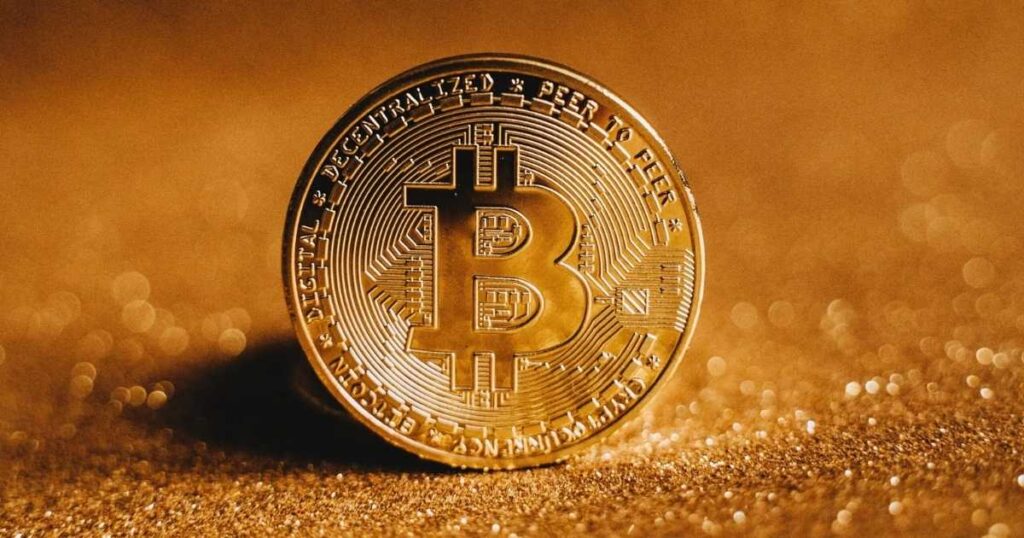
Bitcoin remains the foundation of the crypto economy. Despite thousands of alternatives, BTC still dominates crypto market capitalization and acts as a macro sentiment indicator.
Why Bitcoin Still Leads
Bitcoin’s investment case rests on scarcity and simplicity. Its token supply limit is fixed at 21 million coins. That predictable issuance differentiates it from inflationary financial systems.
Halving events historically reduce new supply entering circulation. This mechanism influences Bitcoin price analysis models and long-term valuation discussions.
Key strengths include:
- Strong institutional adoption
- High liquidity across global exchanges
- Proven network security
- Clear monetary narrative
Volatility in cryptocurrency markets often starts with Bitcoin movements. When BTC stabilizes, broader crypto adoption usually follows.
Real-World Role
Bitcoin increasingly functions as digital collateral. Funds, corporations, and even sovereign entities explore it as a treasury reserve asset rather than just a speculative trade.
2. Ethereum (ETH)
Ethereum transformed blockchain from simple payments into programmable infrastructure.
Its introduction of Ethereum smart contracts enabled decentralized finance, NFT marketplaces, and automated financial agreements without intermediaries.
Post-Merge Evolution
The Ethereum Merge upgrade shifted the network to proof-of-stake, dramatically reducing energy consumption while opening new crypto staking opportunities.
Today, Ethereum thrives because of:
- Massive developer experience advantages
- Deep DeFi liquidity
- Mature smart contract deployment tools
- Extensive Layer-2 scaling ecosystem
Layer-2 solutions now handle growing transaction demand, improving gas fees optimization and user accessibility.
Why Developers Stay
Ethereum’s blockchain developer community remains unmatched. Thousands of decentralized applications operate across finance, gaming, and identity systems.
Network effects matter. Once developers build tooling, migration becomes difficult, reinforcing Ethereum’s long-term relevance.
3. Solana (SOL)
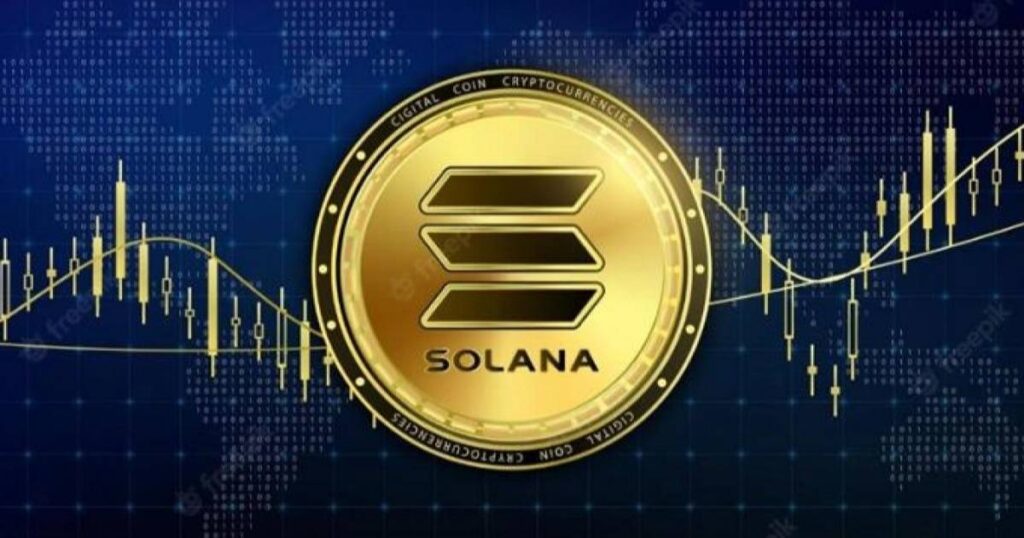
Solana approaches blockchain performance differently. Instead of relying heavily on scaling layers, it focuses on high throughput at the base layer.
Speed as a Strategy
Solana processes thousands of transactions per second, enabling near-instant confirmations. This efficiency supports NFT ecosystems, trading platforms, and blockchain gaming experiences.
Advantages include:
- Low transaction costs
- Strong consumer-facing applications
- Growing Web3 adoption
- Active developer engagement
Crypto trading volumes on Solana-based decentralized exchanges often spike during market momentum because users avoid high fees common elsewhere.
Risks and Tradeoffs
Higher performance sometimes introduces network stability challenges. However, ongoing upgrades aim to strengthen resilience while maintaining speed advantages.
4. Sui Network (SUI)
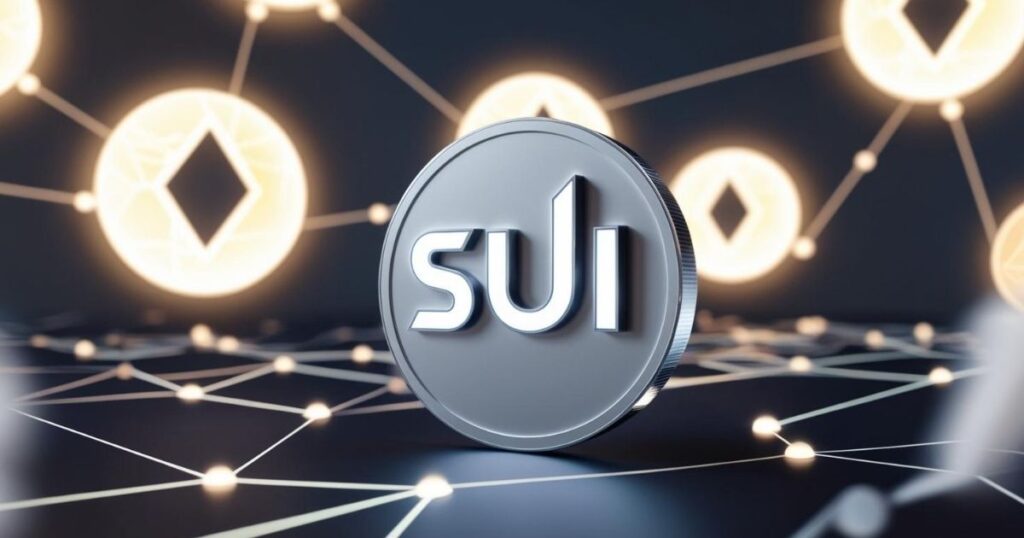
Sui Network represents a newer generation Layer-1 blockchain focused on scalability and developer flexibility.
What Makes Sui Different
Instead of traditional account-based systems, Sui uses an object-centric data model. This design allows parallel transaction execution, improving blockchain scalability solutions dramatically.
Potential benefits include:
- Faster asset transfers
- Improved gaming infrastructure
- Efficient smart contract execution
- Enhanced developer experience
The blockchain gaming ecosystem particularly benefits from Sui’s architecture, where asset ownership and interactions occur frequently.
5. Hyperliquid (HYPE)
Hyperliquid targets one of crypto’s most competitive sectors: decentralized trading.
A New Approach to DEX Performance
Many decentralized exchanges struggle with liquidity fragmentation. Hyperliquid attempts to solve this through optimized on-chain liquidity and advanced trading infrastructure.
Core focus areas:
- High trading volume execution
- Reduced latency
- Transparent settlement
- Improved decentralized exchanges (DEX) usability
The platform blends elements traditionally found in centralized exchanges with decentralized custody principles.
Why Traders Watch It
On-chain vs off-chain transactions remain a key debate. Hyperliquid explores hybrid efficiency while maintaining verifiability, a balance many platforms seek.
6. Avalanche (AVAX)
Avalanche emphasizes flexibility through customizable blockchain environments called subnets.
Scalability Through Customization
Instead of forcing all applications onto one chain, Avalanche allows projects to deploy tailored networks optimized for specific use cases.
Benefits include:
- Cross-chain interoperability
- Enterprise experimentation
- Faster settlement times
- Reduced congestion
Real-world blockchain applications such as financial tokenization and gaming infrastructure increasingly test subnet environments.
Smart contract security also improves because workloads remain isolated rather than competing for shared resources.
7. Binance Coin (BNB)
Binance Coin began as an exchange utility token but evolved into a broader ecosystem asset.
Utility-Driven Growth
BNB powers transactions, governance participation, and decentralized applications within the Binance ecosystem.
Important adoption drivers:
- Strong user base
- Regular token burns creating deflationary crypto tokens
- Expanding DeFi integrations
- Active community engagement
Tokenomics and supply management play a central role in BNB’s valuation model.
Adoption Perspective
As crypto adoption expands globally, platforms with existing users often gain early traction. BNB benefits from that built-in distribution advantage.
8. Chainlink (LINK)
Smart contracts cannot access external data independently. Chainlink solves this limitation through decentralized oracle networks.
Why Oracles Matter
Without reliable data feeds, decentralized applications cannot interact with real-world information like prices, weather, or financial metrics.
Chainlink enables:
- Secure smart contract deployment
- Cross-chain protocol communication
- Real-world data integration
- Enhanced smart contract security
Many DeFi platforms rely on Chainlink infrastructure silently operating in the background.
Think of it as the internet’s API layer for blockchains.
9. Toncoin (TON)
Toncoin gains attention largely due to Telegram blockchain integration and its massive user base potential.
Messaging Meets Blockchain
By embedding blockchain tools into everyday messaging, TON reduces onboarding friction.
Key growth drivers include:
- Seamless wallet access
- Community engagement through social platforms
- Micro-transactions inside apps
- Real-world crypto use cases
If adoption succeeds, TON could introduce millions of users to decentralized applications without traditional complexity.
10. TreasureDAO (MAGIC)
TreasureDAO focuses on the intersection of gaming, NFTs, and decentralized ownership.
Building a Gaming Economy
Rather than isolated games, TreasureDAO attempts to create a shared NFT ecosystem where assets move across multiple worlds.
Core concepts:
- DAO governance structures
- NFT marketplaces integration
- Player-owned economies
- Interoperable gaming assets
NFT adoption growth increasingly depends on utility. Gaming ecosystems like this explore sustainable models beyond collectibles.
How to Evaluate Projects in Kryptowährungen Today
Choosing projects isn’t about chasing price spikes anymore. A stronger framework includes:
- Developer activity levels
- On-chain liquidity trends
- Governance transparency
- Token supply design
- Real-world blockchain applications
- Community resilience during downturns
In fact, the most successful Kryptowährungen ecosystems often grow quietly while speculation fades elsewhere.
Portfolio Strategy: Diversification Without Overexposure
A balanced crypto portfolio diversification strategy may include:
| Category | Example Role |
| Store of Value | Bitcoin |
| Smart Contract Platform | Ethereum |
| High-Speed Chain | Solana |
| Emerging Infrastructure | Sui |
| Oracle Layer | Chainlink |
| Ecosystem Utility | BNB |
Diversification reduces exposure to crypto volatility while maintaining upside potential across sectors.
Risks You Should Never Ignore
Even strong projects face challenges:
- Crypto regulatory risk varies by country.
- Market sentiment shifts rapidly.
- Smart contract vulnerabilities still occur.
- Liquidity conditions can change overnight.
Responsible participation means understanding downside scenarios as clearly as potential gains.
Where Crypto Is Actually Being Used Today
Real-world crypto use cases are expanding beyond trading:
- Cross-border payments
- Gaming economies
- Tokenized assets
- Decentralized identity systems
- Creator monetization platforms
Web3 adoption grows slowly but steadily. Progress rarely looks dramatic day to day. Over years, however, infrastructure compounds.
FAQ’s
What makes a cryptocurrency valuable long term?
Utility, adoption, developer activity, and sustainable tokenomics usually matter more than short-term price trends.
Is Bitcoin still relevant compared to newer coins?
Yes. Bitcoin remains the most trusted asset and often anchors institutional investment strategies.
Why are Layer-2 solutions important?
They reduce fees and increase transaction speed without sacrificing base-layer security.
Are NFTs still growing?
Yes, but focus has shifted toward gaming, ownership, and practical digital assets rather than speculation.
How risky is crypto investing?
Crypto volatility remains high, so diversification and long-term thinking are essential.

Cole Maddox is a digital strategist and crypto content expert with over 7 years of experience in blockchain marketing and SEO. He specializes in creating data-driven content that builds trust and authority in the crypto space. Cole’s insights have helped startups grow organic reach through premium backlinks and high-quality guest posting strategies aligned with Google’s EEAT standards.